Print Icon
 

Dear ,


This month is all about the critical issue of quality.

Nowadays, manufacturers are feeling the pressure to produce goods faster, using fewer resources, while maintaining non-negotiable quality standards.

This is often a more difficult juggling act than you’d think, because the focus on speed can result in increased human error, as well as reworks that ultimately cost more time and money.

That’s where the execution layer of your manufacturing tech stack comes into play – an operating system that enforces the right assembly process and makes sure that the right steps are followed, in the right sequence, at the right time.


In this newsletter, we unpack why you can’t leave quality checks to a final, end-of-line inspection, and show you real use cases of how quality can become an integral part of the entire production process.


Here’s to keeping your standards high!

The Jendamark Team


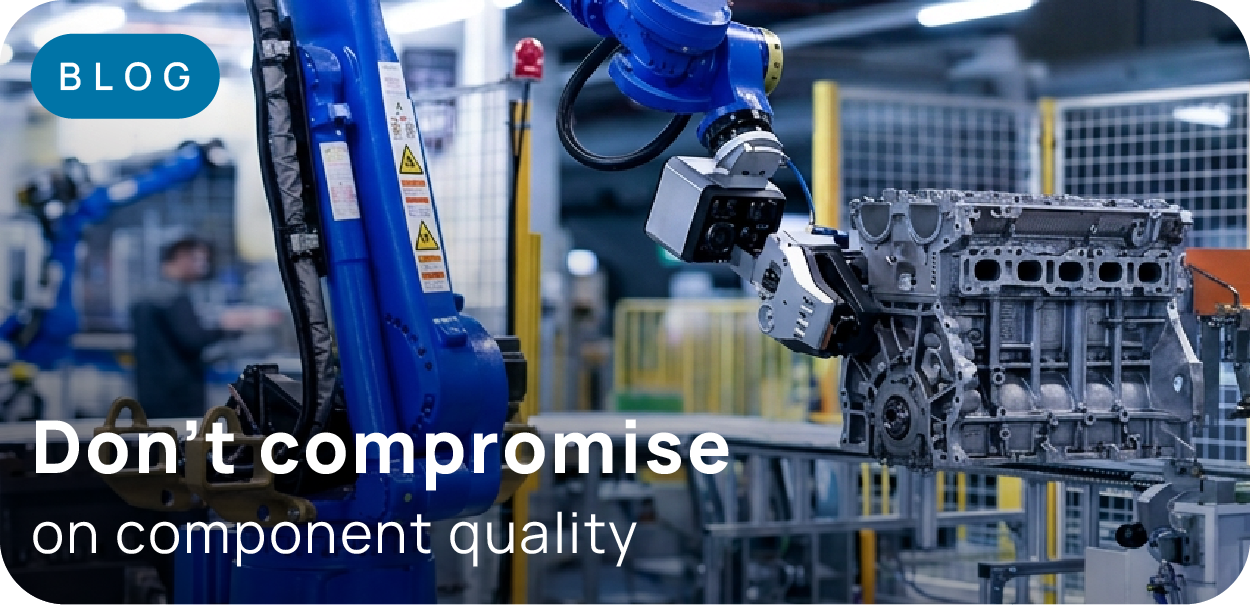
OEMs and Tier 1 suppliers can’t afford to compromise on component quality because a single defect can have catastrophic consequences for the passengers in a vehicle.


This reality drives the need for comprehensive quality management throughout every stage of production. It also makes financial sense because manufacturers can catch problems early and avoid unnecessary recalls and warranty claims.


In his new blog, Jendamark USA’s vice-president of automation sales and operations, Rudie Willemse, does a deep dive into the role of quality in automotive manufacturing.

Ensuring zero defects in safety-critical systems

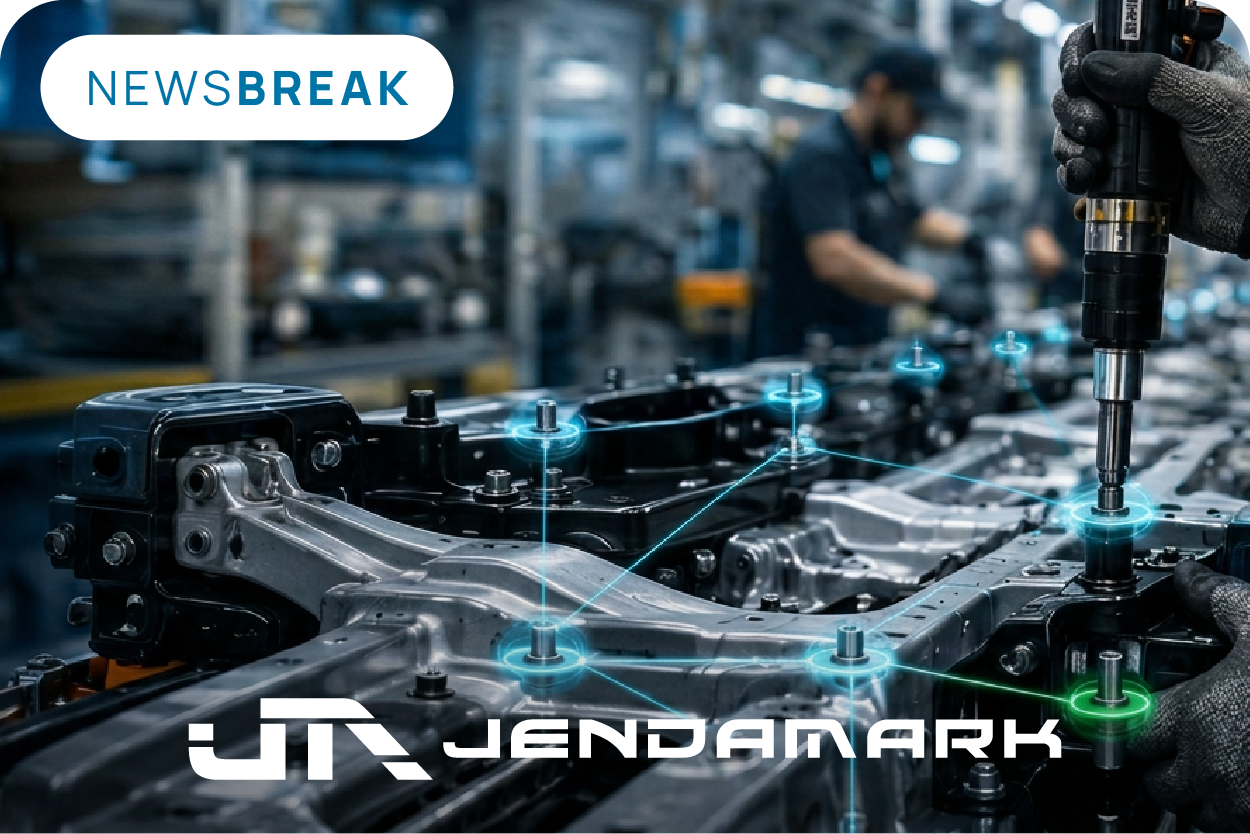
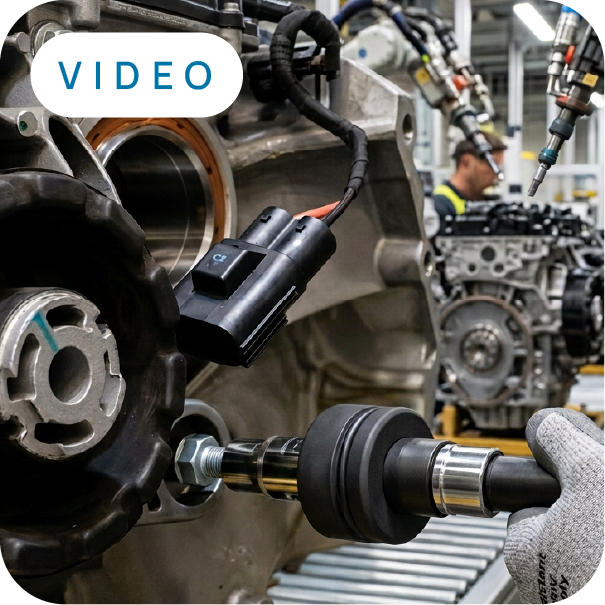
Bolting is one of those operations in the assembly process that you have to get 100% right because it holds together the critical vehicle components that affect passenger safety. Watch this short video to see how Jendamark recently used AI computer vision to track over 130 bolting positions on a real production line, and fed this live data into our worker guidance system – to save the customer money and ensure error-free assembly.

Error-proofing tractor engine assembly

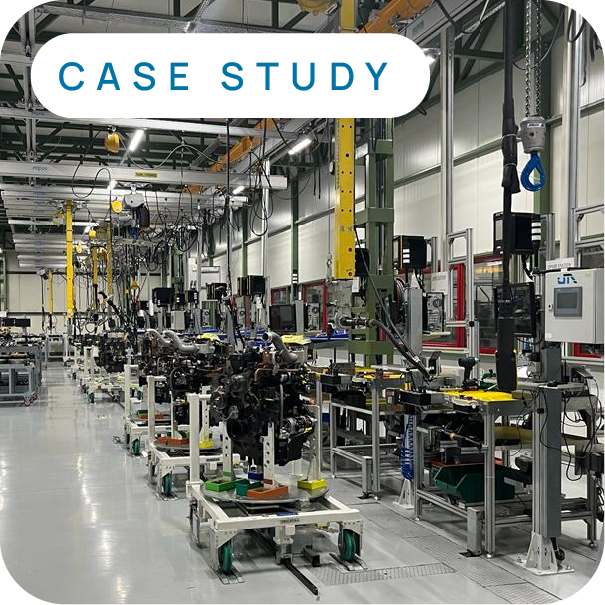
In our experience, manual assembly systems commonly struggle with process security and product quality challenges. The answer is not to remove human operators from the line but to support them with technologies that ensure they build correctly every step of the way. In this case study, see how Jendamark helped our customer error-proof tractor engine assembly at a greenfield project in Turkey.


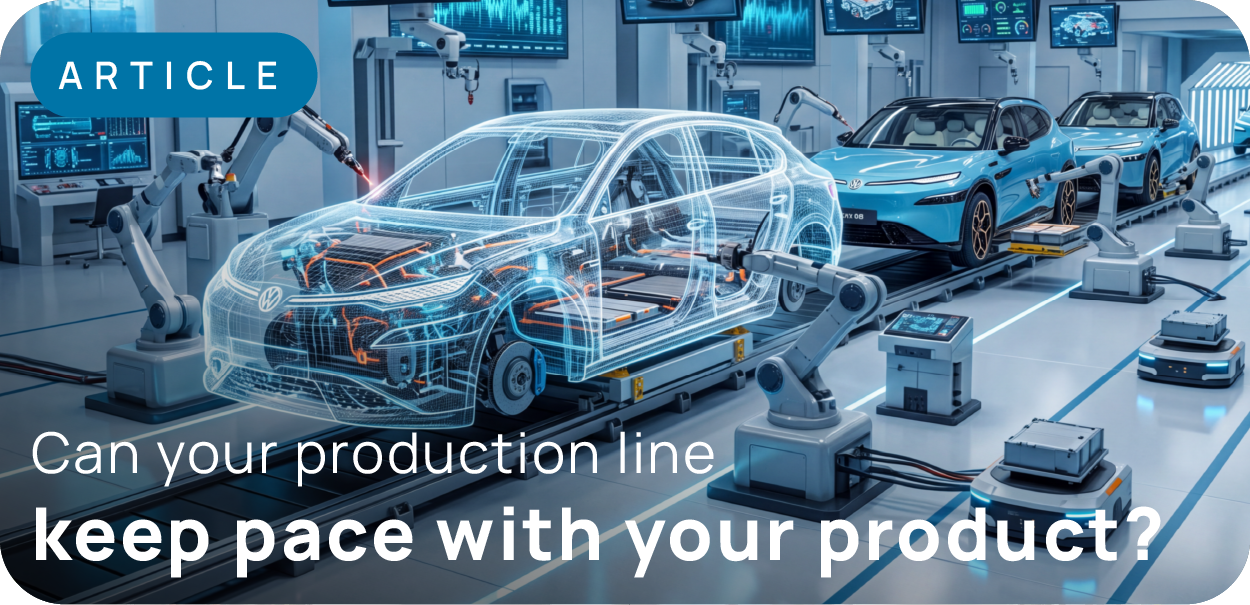
Volkswagen in China recently proved that it could halve its SUV development time through software-defined design. This is great, but it creates a huge problem for the assembly line builder, which has to play catch up, and start cutting steel and making tooling before the vehicle design is set in stone.


This is a whole new world for automotive manufacturing. How does the heavy hardware keep pace with fast-paced, flexible vehicle development? Our innovations director, Yanesh Naidoo, has some thoughts in the latest edition of The Efficiency Edge.

You are receiving this email as you signed up for our newsletters.

Want to change how you receive these emails?

You can Unsubscribe or Update your preferences